
Silk is a natural animal fiber known for its softness, light weight, and smooth feel against the skin. Although it is often associated with elegant clothing, silk can also be surprisingly practical. It can provide warmth without much bulk, making it useful for underwear, sleepwear, everyday clothing, and lightweight layers worn close to the body.
What Is Silk?
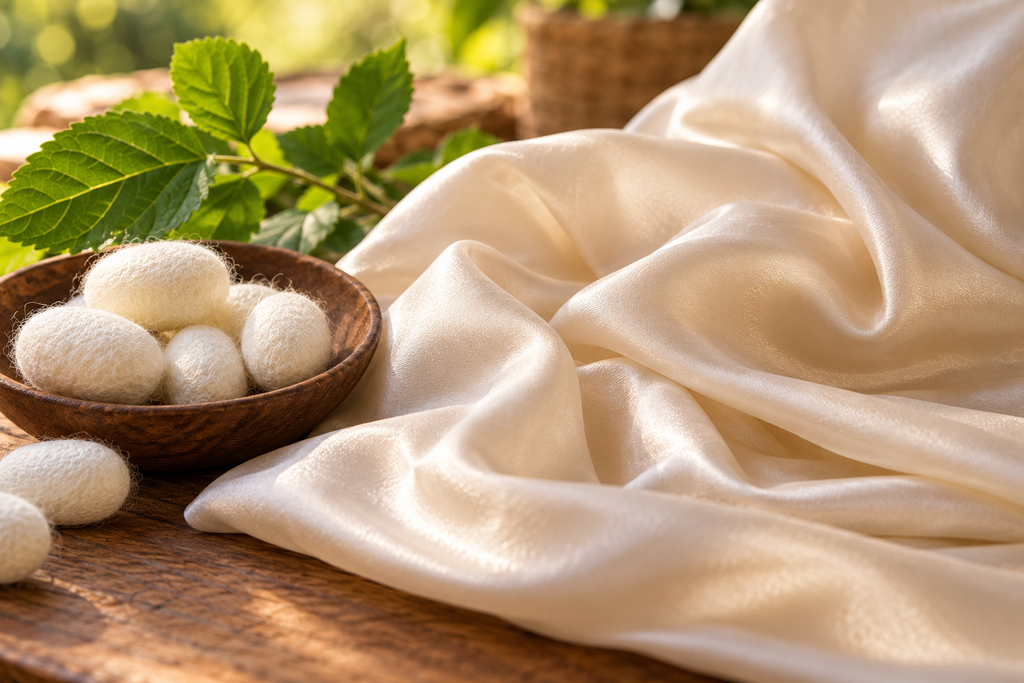
Silk is a natural protein fiber produced by certain insects, most commonly silkworms. The fibers are formed as continuous filaments when silkworms spin their cocoons. These fine filaments can be processed and woven or knitted into fabrics that range from delicate and lightweight to more substantial materials. The type of silk, fabric construction, and finishing all influence how the finished garment feels and performs.
Why Choose Silk?
Silk combines softness and light weight with natural insulating properties. It can feel smooth and comfortable against the skin while providing warmth without much bulk. Silk can make an excellent base layer, including long underwear worn as part of a layering system in very cold conditions. It is also well suited to underwear, sleepwear, and other clothing where warmth, comfort, and minimal bulk are important.
How Silk Performs
Silk provides insulation with very little weight or bulk, which can make it especially useful in a layering system. It can absorb some moisture while still feeling comfortable against the skin and can help provide warmth in cold conditions. Because silk fabrics vary considerably in weight and construction, performance will depend on the particular garment and how it is used.
Silk for Everyday Wear
Silk works beautifully in underwear, camisoles, sleepwear, shirts, dresses, scarves, and other everyday clothing. Its smooth surface and light weight can make it especially comfortable next to the skin or underneath other garments. Depending on the fabric, silk can feel cool and airy or provide a surprisingly warm layer without adding much bulk.
Silk for Outdoor Layers
Silk can be especially useful outdoors as a lightweight base layer. Silk long underwear adds warmth with very little bulk, making it easy to wear beneath other layers in cold and even very cold conditions. Its smooth fabric also layers comfortably under heavier clothing. Because silk is not intended to provide wind or rain protection on its own, it works best as part of a layering system suited to the weather and activity.
Silk & Durability
Silk may look delicate, but silk fibers can be remarkably strong for their fine size. The durability of a silk garment depends greatly on the fabric weight, construction, and how it is cared for. Lightweight silk base layers and underwear may need gentler handling than heavier silk fabrics, but with appropriate care, good-quality silk clothing can provide years of comfortable wear.
Silk Blends
Silk is sometimes blended with other fibers to combine their different qualities. Silk and wool can create a warm, lightweight fabric that works especially well for base layers, while silk and cotton can add softness and a smoother feel to everyday clothing. Silk may also be blended with other fibers to change a garment’s stretch, durability, drape, or ease of care. Checking the fiber-content label will show you how much silk the garment actually contains.
Caring for Silk
Silk usually benefits from gentle care. Washing instructions vary by garment, so always check the care label first. Some silk clothing can be hand washed or machine washed on a gentle cycle, while other pieces may require dry cleaning. Mild detergent, cool water when appropriate, and avoiding excessive heat can help protect the fibers and extend the life of the garment.
Is Silk Right for You?
Silk can be an excellent choice if you value softness, warmth without bulk, and a smooth natural fiber that feels comfortable against the skin. It can be especially useful for underwear and lightweight base layers, including long underwear for cold-weather layering, while also working beautifully in everyday clothing and sleepwear. The best choice will depend on the garment, the conditions you plan to wear it in, and how you prefer your clothing to feel.