
Merino wool may not be what you picture when you think of wool. Unlike the coarse, scratchy wool many of us remember, fine merino can be soft enough to wear next to the skin. It is naturally breathable, helps manage moisture and temperature, and resists odors—making it useful for everything from underwear and everyday clothing to base layers and outdoor wear.
What Is Merino Wool?
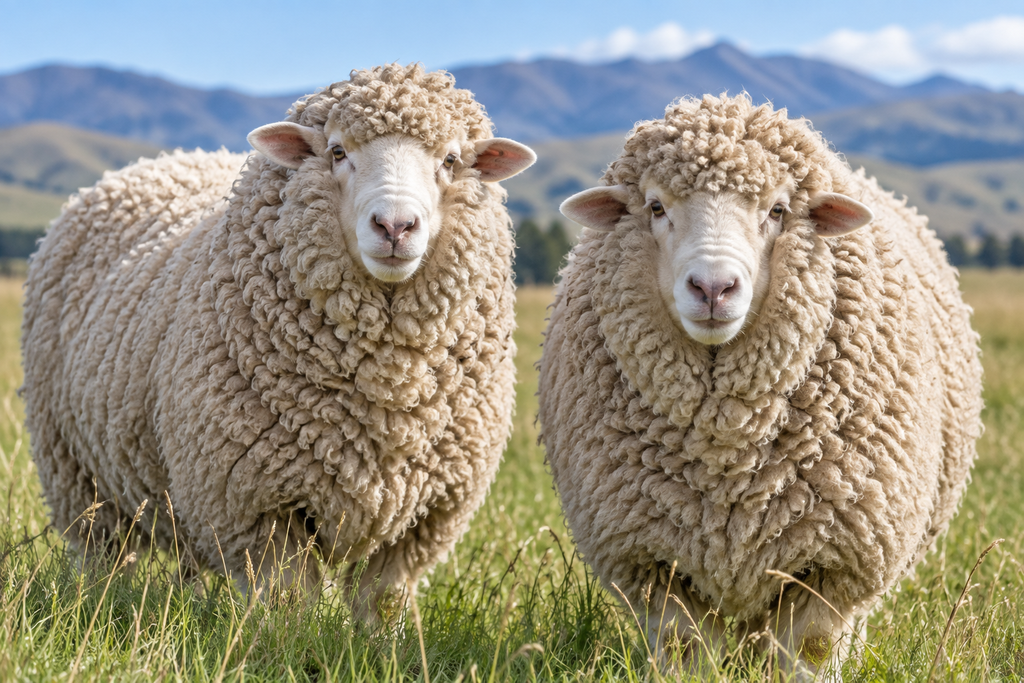
Merino wool comes from Merino sheep, a breed known for producing especially fine wool fibers. The finer fibers can feel softer and more flexible against the skin than traditional coarse wool, which is one reason merino is commonly used in clothing worn close to the body.
Why Choose Merino Wool?
Merino wool has a combination of qualities that makes it unusually versatile. It can help regulate body temperature, absorb and manage moisture, resist odors, and provide warmth without requiring a heavy layer. Depending on the fabric weight and construction, merino clothing can be useful in both warm and cold conditions.
How Merino Wool Performs
Merino wool responds well to changing conditions because its fibers can absorb moisture vapor while still helping the body maintain a comfortable temperature. It can provide insulation when it’s cold while remaining breathable as activity levels or temperatures rise. Merino also tends to hold onto odors less readily than many synthetic fabrics, which can make it especially useful for travel, repeated wear, and outdoor activities.
Merino Wool for Everyday Wear
Merino isn’t just for hiking or cold weather. Its softness, breathability, and ability to manage moisture make it useful for underwear, bras, socks, shirts, sweaters, sleepwear, and other everyday layers. Lightweight merino can work well on its own or as part of a layering system, depending on the weather and activity.
Merino Wool for Outdoor Layers
Merino wool is especially useful for outdoor layering because it can provide warmth while remaining breathable and comfortable across changing conditions. It is commonly used in base layers, socks, hats, gloves, and insulating pieces for activities such as walking, hiking, camping, travel, and snow sports.
Water Resistance and Merino Wool
Merino wool is naturally water resistant, but it is not waterproof. The outer structure of the wool fiber can help repel light moisture, while the inside of the fiber can absorb moisture vapor. Newer textile technologies are also finding ways to increase merino wool’s resistance to wind and rain without relying on conventional synthetic outer fabrics.
OPTIM™ Technology
OPTIM™ is a fiber-stretching technology that can turn fine merino wool into a densely woven fabric with enhanced resistance to wind and water. The merino fibers are stretched before spinning and weaving, then allowed to contract during wet finishing, creating an exceptionally tight fabric structure. This can provide weather protection while retaining merino wool’s breathability, without the use of conventional DWR treatments or PFAS.
DWR (durable water repellent) treatments are finishes applied to fabrics to help them shed water. Some traditional DWR treatments have used PFAS (per- and polyfluoroalkyl substances), a large group of man-made chemicals. Many PFAS break down very slowly and can persist in the environment and in the human body over time.
Things to Consider
Merino wool has many advantages, but not every garment performs the same way. Fine merino can be more expensive than some other fibers, and friction can cause pilling over time. Care requirements also vary, so it’s important to check the garment label before washing or drying. Fabric weight, construction, fiber quality, and whether merino is blended with other materials can all affect how a garment feels, wears, and performs.
Caring for Merino Wool
Merino wool is often easier to care for than people expect. Many merino garments can be machine washed, although care instructions vary by garment. Washing only when needed, using a gentle cycle when appropriate, and following the care label can help protect the fibers and extend the life of the clothing.
Understanding Merino Wool Blends
Not every merino garment is made from 100% merino wool. Some combine merino with fibers such as nylon or elastane to add durability, stretch, or help the garment hold its shape. Others may blend merino with natural fibers such as silk. Checking the fiber-content label can help you understand how much merino a garment actually contains and why other fibers were included.
What Do Merino Microns Mean?
Microns measure the diameter of individual wool fibers—one micron is one millionth of a meter. In general, the lower the micron number, the finer and softer the merino feels against the skin. Fine merino—often around 19.5 microns or less—is commonly used for next-to-skin clothing such as underwear and base layers. Fiber diameter is one factor that can influence softness and comfort, along with the way the fabric is constructed and finished.
Is Merino Wool Right for You?
Merino wool can be a good choice if you value natural fibers, breathability, temperature regulation, and clothing that can work across different seasons and activities. It may be especially appealing for layers worn close to the skin, travel, and outdoor use. As with any fiber, the best choice depends on the garment, the conditions you’ll wear it in, your sensitivity to wool, and what feels comfortable to you.