
Hemp is one of the oldest plant fibers used for textiles, valued for its strength, durability, and versatility. While it was once associated mainly with coarse fabrics, modern hemp textiles can be surprisingly soft and comfortable. Hemp is used in everything from shirts, pants, and dresses to socks, underwear, and sturdy outer layers, and the fabric often becomes softer with wear and washing.
What Is Hemp?
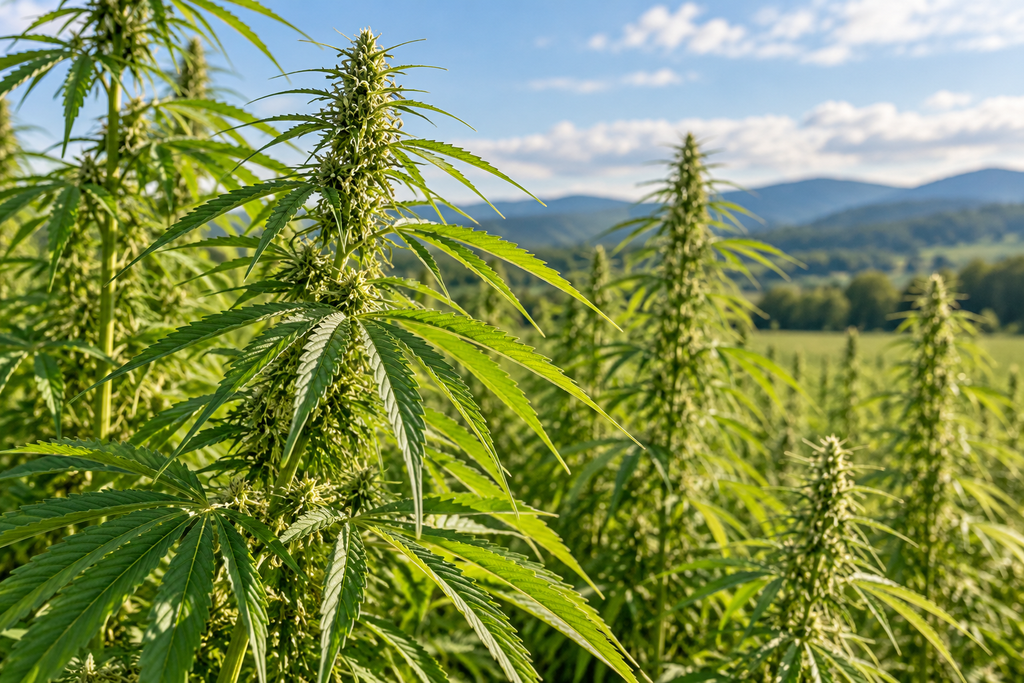
Hemp is a plant fiber made from the stalks of the hemp plant. The usable fibers are found in the outer portion of the stalk and are separated, processed, spun into yarn, and made into fabric. Hemp fibers are naturally strong, and the finished textile can range from sturdy, structured materials to softer fabrics suitable for clothing, depending on how the fiber is processed and how the fabric is made.
Hemp, Cannabis & Marijuana: What’s the Difference?
Hemp and marijuana both come from cannabis plants, which can make the terminology confusing. Hemp is grown and used for products such as fiber, fabric, seed, and other industrial materials and contains very low levels of THC, the compound primarily associated with marijuana’s intoxicating effects. In the United States, hemp is legally defined as cannabis containing no more than 0.3% delta-9 THC by dry weight. The hemp grown for textile fiber is selected and cultivated for its strong stalks—not for producing an intoxicating effect.
Why Choose Hemp?
Hemp combines strength and durability with breathability and comfort. Depending on how the fabric is made, it can feel substantial and textured or surprisingly soft against the skin. Hemp clothing can also become softer with repeated wear and washing while retaining much of its strength, making it appealing for garments meant to be worn and enjoyed for a long time.
How Hemp Performs
Hemp is a strong, breathable fiber that can work well across a range of temperatures and clothing styles. It absorbs moisture and allows air to move through the fabric, which can make hemp comfortable in warm weather. Its natural strength also makes it useful for clothing that sees frequent wear. The way hemp performs will vary with the fabric’s weight, weave or knit, and whether it is blended with other fibers.
Hemp for Everyday Wear
Hemp works well in many kinds of everyday clothing, including shirts, pants, dresses, skirts, socks, underwear, and other comfortable layers. Lighter hemp fabrics can feel cool and breathable, while heavier fabrics can provide structure and durability. One of hemp’s appealing qualities is that many hemp fabrics soften with use, so a garment can become more comfortable and familiar the longer you wear it.
Hemp for Outdoor Layers
Hemp’s strength and breathability can make it a useful fiber for outdoor clothing, particularly in warm, dry, or moderate conditions. Heavier hemp fabrics can work well for durable pants, jackets, and other protective layers, while lighter fabrics can be comfortable for shirts and warm-weather clothing. As with cotton, hemp absorbs moisture, so weather, activity level, fabric construction, and the other layers you are wearing should all be considered when choosing hemp for outdoor use.
Hemp & Durability
Hemp is known for producing strong textile fibers, which is one reason it has been used historically for hard-wearing materials such as rope, canvas, and sailcloth as well as clothing. In apparel, that strength can contribute to garments that stand up well to repeated use. Hemp fabric can also soften with wear and washing, allowing sturdy clothing to become more comfortable over time without losing the qualities that make the fiber useful.
Hemp Blends
Hemp is often blended with other fibers to combine different qualities in one fabric. Hemp and cotton can create a softer, familiar-feeling material while retaining some of hemp’s strength and texture. Hemp may also be blended with linen, wool, or other fibers to change the warmth, drape, softness, or durability of a garment. Checking the fiber-content label will tell you how much hemp is actually in the clothing and what other fibers have been added.
Caring for Hemp
Hemp clothing is generally durable and can become softer with repeated wear and washing. Care requirements vary depending on the garment and whether the hemp is blended with other fibers, so always check the care label. Washing only when needed, using cooler water when appropriate, and avoiding excessive heat can help protect the fabric, reduce shrinkage, and extend the life of the garment.
Is Hemp Right for You?
Hemp can be a good choice if you value natural fibers, durability, breathability, and clothing that can become softer and more comfortable with use. From lightweight warm-weather pieces to sturdy pants and jackets, hemp can serve many different purposes depending on how the fabric is made. The best choice will depend on the garment, the conditions you plan to wear it in, and the feel you prefer against your skin.