
Natural fibers can bring comfort, breathability, and versatility to the clothes you wear every day. Cotton, linen, hemp, wool, silk, and other natural fibers each offer different qualities for shirts, pants, dresses, skirts, sweaters, jackets, and other everyday pieces. Choosing clothing by fiber as well as style can help you build a wardrobe that feels good against your skin and works across changing temperatures, seasons, and activities.
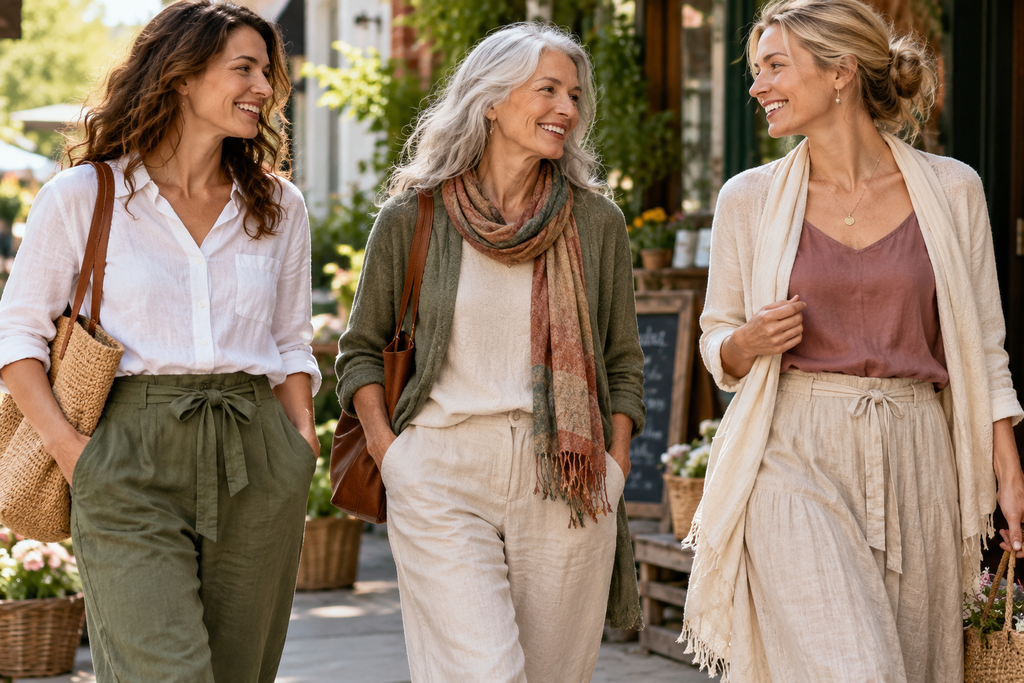
Why Natural Fibers for Everyday Clothing?
Everyday clothing needs to work through many different parts of your day. Natural fibers can offer softness, breathability, warmth, durability, and comfort, depending on the fiber and how the fabric is made. They can also be layered easily, allowing you to adjust what you wear as temperatures, seasons, and activities change.
Cotton for Everyday Clothing
Cotton is one of the most versatile natural fibers for everyday clothing. Depending on how it is woven or knitted, it can become anything from a lightweight T-shirt or blouse to sturdy denim jeans, canvas pants, and jackets. Cotton is generally soft, breathable, and comfortable against the skin, and well-made cotton garments can also be remarkably durable.
Linen for Everyday Clothing
Linen is especially comfortable in warm weather, but it can also be layered throughout the year. Shirts, pants, dresses, skirts, and lightweight jackets made from linen can feel breathable and airy while remaining strong and durable. Linen often begins with a crisper texture and becomes softer and more relaxed with wear and washing, giving well-loved clothing its own character.
Hemp for Everyday Clothing
Hemp can be a strong and durable choice for everyday clothing. It is used in shirts, pants, dresses, jackets, and other garments, often on its own or blended with fibers such as cotton. Hemp fabric can begin with a firmer texture and soften with wear and washing, making it well suited to clothing designed to be worn and enjoyed for years.
Wool for Everyday Clothing
Wool is not limited to heavy winter sweaters and coats. Fine merino and other wool fabrics can be used for shirts, dresses, skirts, pants, cardigans, jackets, and lightweight everyday layers. Wool can help regulate temperature, manage moisture, and resist odors, making it useful across a wider range of seasons and everyday activities than many people realize.
Silk for Everyday Clothing
Silk can be much more than a fabric for special occasions. Lightweight silk shirts, blouses, dresses, skirts, and other everyday pieces can feel smooth and comfortable while adding very little bulk. Silk can also provide surprising warmth for its weight, making it useful on its own in mild weather or as a light layer when temperatures are cooler.
Natural-Fiber Blends
Blending natural fibers can combine qualities that are useful in everyday clothing. Cotton and linen, cotton and hemp, or wool and silk can create fabrics with a different balance of softness, strength, warmth, drape, and breathability. Some garments also include a small amount of synthetic fiber for stretch or shape retention. Checking the fiber-content label helps you understand what a garment is actually made from and choose the balance that works for you.
Building a Natural-Fiber Wardrobe
Building a natural-fiber wardrobe does not have to happen all at once. You can start with the pieces you wear most often and gradually add clothing made from fibers you enjoy wearing. Choosing versatile pieces that work together and can be layered across seasons can help you get more use from each garment while creating a wardrobe that suits your everyday life.
Caring for Everyday Natural-Fiber Clothing
Different natural fibers have different care needs, so checking the garment’s care label is always a good place to start. Cotton, linen, and hemp are often relatively easy to care for, while wool and silk may benefit from gentler washing and drying. Washing clothing only when needed, avoiding excessive heat, and caring for each fiber appropriately can help your everyday clothes maintain their shape, feel, and appearance for longer.
Choosing Everyday Clothing That Works for You
There is no single natural fiber that is best for every garment, season, or person. Cotton, linen, hemp, wool, and silk each bring different qualities to everyday clothing. Paying attention to fiber, fabric weight, construction, fit, and how you actually live can help you choose clothes that are comfortable, useful, and enjoyable to wear for years.