
Cotton is one of the most familiar natural fibers, but there is more to it than the soft T-shirts, underwear, and everyday basics many of us know. Breathable, absorbent, versatile, and available in many different fabric weights and constructions, cotton can be comfortable across a wide range of clothing—from layers worn next to the skin to warm-weather clothing and everyday outer layers.
What Is Cotton
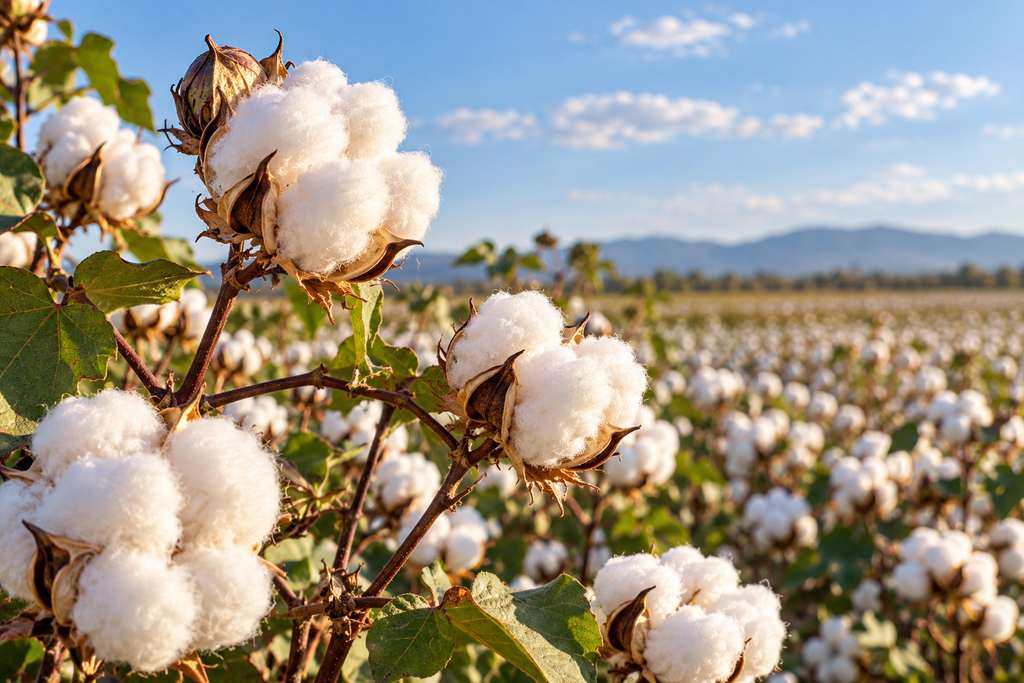
Cotton is a natural plant fiber that grows around the seeds of the cotton plant. After harvesting, the fibers are separated from the seeds, cleaned, spun into yarn, and made into fabric. The characteristics of cotton clothing can vary considerably depending on the type and quality of the cotton, how the yarn is spun, and how the fabric is woven or knitted.
Why Choose Cotton?
Cotton is valued for its softness, breathability, absorbency, and versatility. It can feel comfortable against the skin and is available in everything from lightweight, airy fabrics to heavier, more substantial materials. These qualities make cotton especially useful for underwear, sleepwear, shirts, dresses, pants, and many other everyday layers.
How Cotton Performs
Cotton is breathable and highly absorbent, which can make it comfortable in warm weather and for everyday wear. Because cotton readily absorbs moisture, however, it can become damp and take longer to dry than some other fibers. This makes the type of cotton fabric—and how and where you plan to wear it—important when choosing cotton clothing.
Cotton for Everyday Wear
Cotton is especially well suited to everyday clothing because it is comfortable, familiar, and available in so many different forms. It is commonly used for underwear, bras, socks, T-shirts, sleepwear, dresses, shirts, pants, and other pieces worn throughout the day. The feel and performance can vary considerably depending on the type of cotton and the way the fabric is made.
Cotton for Outdoor Layers
Cotton can be a practical and durable choice for many kinds of outdoor wear, particularly in mild, warm, or dry conditions. Strong cotton fabrics such as denim and canvas have a long history in workwear and outdoor clothing because they can stand up to repeated use. Denim in particular often softens and becomes more comfortable with wear and washing, developing a feel that is unique to the person wearing it. Cotton does absorb moisture and can take time to dry, so for cold, wet, or high-exertion conditions, the weather, activity, and other layers should be considered.
Cotton, Denim & Durability
Cotton’s durability depends greatly on how the fiber is spun and the fabric is constructed. Heavier cotton fabrics such as denim and canvas can withstand years of wear, while still becoming softer and more comfortable with use. Denim is especially known for changing over time as wearing and washing soften the fabric and create natural fading and character. This ability to age with the wearer is one reason cotton denim has remained a favorite for generations.
Different Types of Cotton
Not all cotton is the same. Different varieties produce fibers with different lengths, strength, softness, and fineness, and those differences can affect the finished fabric. Pima is an extra-long-staple cotton known for its long, strong fibers. Supima® is a trademark for American-grown extra-long-staple cotton that meets the Supima program’s requirements. Egyptian cotton refers to cotton grown in Egypt and does not, by itself, indicate a particular fiber length or quality. Understanding these distinctions can help you compare cotton garments more confidently.
Organic Cotton
Organic cotton is grown according to organic farming standards that prohibit genetic engineering and restrict the use of synthetic pesticides and fertilizers, allowing only certain approved substances. Certification helps verify how the cotton was grown. Textile standards such as GOTS can go further by setting requirements for processing and manufacturing as well. When comparing organic cotton clothing, look for recognized certification rather than relying on the word “organic” alone.
Cotton Blends
Cotton is often blended with other fibers to change how a garment feels or performs. A small amount of elastane can add stretch, while linen can add texture and breathability and wool can add warmth. Cotton may also be blended with synthetic fibers for added durability, wrinkle resistance, or faster drying. Checking the fiber-content label lets you see exactly what you’re getting and decide whether the blend fits what you want from the garment.
Caring for Cotton
Cotton is generally easy to care for, but washing and drying can affect its softness, shape, color, and lifespan. Care instructions vary depending on the fabric and garment construction, so always check the label. Washing only when needed, using cooler water when appropriate, and avoiding excessive heat can help cotton clothing last longer and continue to feel comfortable with wear.
Is Cotton Right for You?
Cotton can be an excellent choice if you value softness, breathability, durability, and a natural fiber that works in many different kinds of clothing. From lightweight underwear and warm-weather pieces to sturdy denim and canvas, cotton can serve very different purposes depending on how the fabric is made. The best choice depends on the garment, the conditions you’ll wear it in, and what feels comfortable to you.
Caring for Hemp
Hemp clothing is generally durable and can become softer with repeated wear and washing. Care requirements vary depending on the garment and whether the hemp is blended with other fibers, so always check the care label. Washing only when needed, using cooler water when appropriate, and avoiding excessive heat can help protect the fabric, reduce shrinkage, and extend the life of the garment.
Is Hemp Right for You?
Hemp can be a good choice if you value natural fibers, durability, breathability, and clothing that can become softer and more comfortable with use. From lightweight warm-weather pieces to sturdy pants and jackets, hemp can serve many different purposes depending on how the fabric is made. The best choice will depend on the garment, the conditions you plan to wear it in, and the feel you prefer against your skin.