
Cold weather clothing is all about building comfortable layers that help you stay warm, dry, and comfortable as conditions change. At Naturally Layered, we focus on natural and thoughtfully selected fibers that can work together—from soft base layers next to the skin to insulating sweaters and protective outer layers. Understanding how each layer works can help you choose clothing that keeps you comfortable through changing weather and outdoor adventures.
The Three Layers
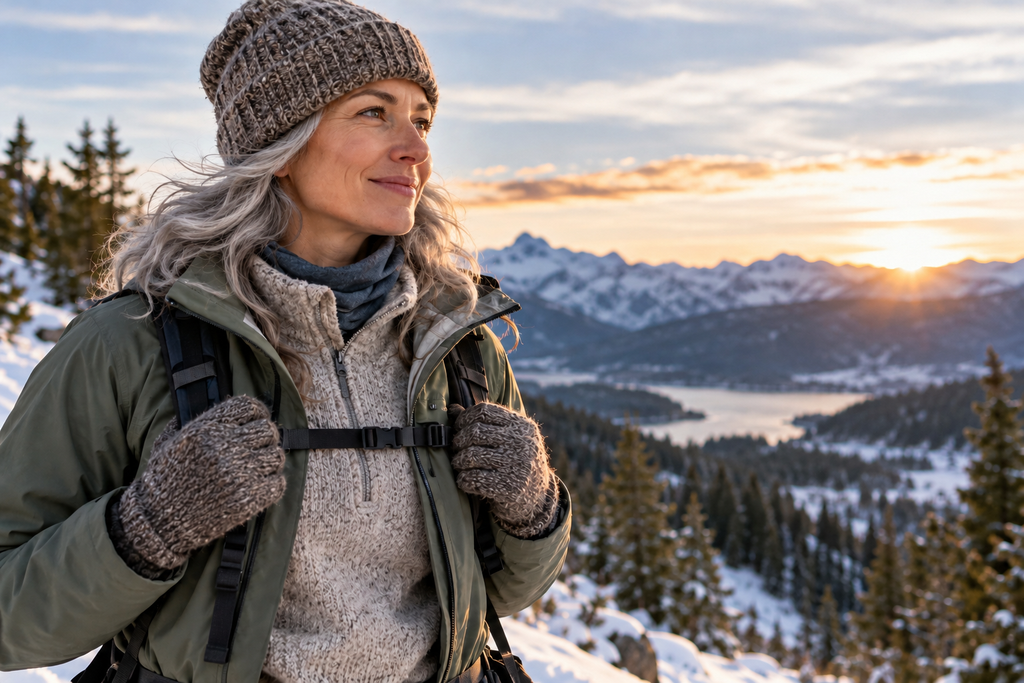
A simple layering system usually has three parts: a base layer that manages moisture and sits next to your skin, an insulating layer that helps retain warmth, and an outer layer that protects you from wind, rain, and snow. You can adjust these layers depending on the weather, your activity level, and how warm or cool you tend to feel.
Base Layers: The Layer Next to Your Skin
Base layers are worn closest to your skin and help keep you comfortable as your body temperature and activity level change. Natural fibers such as merino wool and silk can provide warmth while managing moisture while remaining lightweight and comfortable. The best base layer depends on the temperature, your activity level, and how the fabric feels against your skin.
Mid Layers: Adding Warmth
Mid layers provide insulation by helping hold warmth close to your body. Wool, alpaca, and cashmere can all work beautifully as insulating layers, offering warmth without necessarily requiring heavy or bulky clothing. Sweaters, cardigans, vests, and other mid layers can be added or removed as temperatures and activity levels change.
Outer Layers: Protection from the Weather
Outer layers help protect you from wind, rain, snow, and changing weather. Depending on the conditions, this might mean a wool coat, a tightly woven natural-fiber jacket, or a weather-resistant shell worn over your insulating layers. Natural fibers can provide warmth and breathability, while some conditions may call for additional weather protection. The goal is to choose an outer layer that protects you without trapping more heat and moisture than you need.
Choosing Natural Fibers for Cold Weather
Different natural fibers bring different strengths to a cold-weather layering system. Merino wool is versatile for base and insulating layers, while silk can provide surprising warmth in a very thin layer. Alpaca and cashmere offer excellent insulation without excessive bulk, and heavier wool fabrics can provide substantial warmth in sweaters, coats, and other outer layers. Combining fibers and layers allows you to adjust your clothing to the temperature, weather, and activity.
Don’t Forget Your Extremities
Staying warm also means protecting your head, hands, feet, and neck. Wool and other natural-fiber hats, gloves, scarves, and socks can make a noticeable difference in overall comfort. These smaller layers are also easy to add, remove, or change as conditions shift, making them an important part of a flexible cold-weather layering system.
Building a Cold-Weather Layering System That Works for You
There is no single layering system that works for everyone. The right combination depends on the temperature, wind and moisture, how active you will be, and how your own body responds to the cold. Start with comfortable layers next to your skin, add insulation as needed, and choose outer protection for the conditions you expect. A flexible system lets you add or remove layers throughout the day so you can stay comfortable without carrying more clothing than you need.