
Cashmere is a natural animal fiber prized for its exceptional softness, warmth, and light weight. Although often associated with luxurious sweaters and scarves, cashmere can also be a practical insulating fiber. Its fine fibers can provide substantial warmth without heavy bulk, making cashmere useful for sweaters, cardigans, accessories, and comfortable cold-weather layers.
What Is Cashmere?
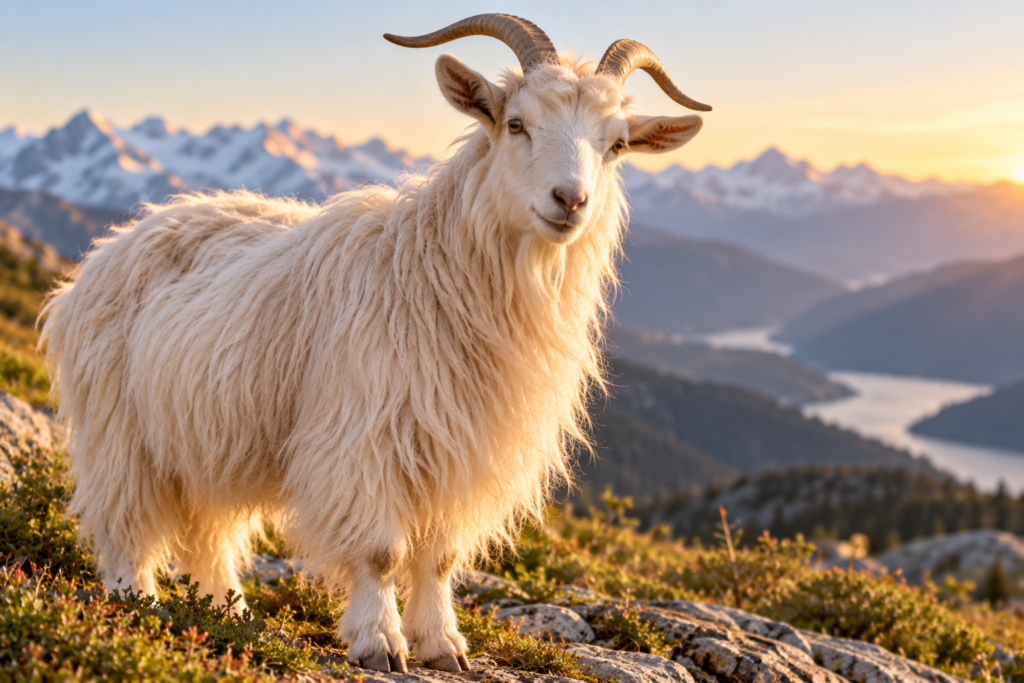
Cashmere comes from the soft undercoat of cashmere-producing goats. The fine fibers are collected during the animals’ natural seasonal shedding or by shearing, then separated from the coarser outer hairs, cleaned, spun into yarn, and made into fabric or knitted garments. Fiber fineness, length, and quality can all influence the softness, warmth, durability, and price of the finished cashmere garment.
Why Choose Cashmere?
Cashmere is valued for providing impressive warmth in a very light, soft fabric. Its fine fibers can create comfortable insulation without the weight or bulk of many heavier materials. This makes cashmere especially appealing for sweaters, cardigans, scarves, hats, and other layers where warmth, softness, and ease of layering are important.
How Cashmere Performs
Cashmere provides excellent insulation for its light weight, helping retain warmth without requiring a thick or heavy layer. Its fine fibers can feel soft and comfortable against the skin, making cashmere easy to layer beneath coats and other outerwear. Performance can vary depending on fiber quality, yarn construction, fabric weight, and whether the cashmere is blended with other fibers.
Cashmere for Everyday Wear
Cashmere works beautifully in sweaters, cardigans, scarves, wraps, hats, gloves, and other everyday cold-weather clothing. Its warmth without heavy bulk can make it especially comfortable for layering indoors and outdoors. Fine cashmere can feel very soft against the skin, while different knit weights and constructions allow cashmere garments to range from lightweight layers to substantial winter pieces.
Cashmere for Outdoor Layers
Cashmere can be a useful insulating layer for outdoor wear in cool and cold conditions. Lightweight cashmere sweaters and accessories can add warmth without much bulk, making them easy to combine with other layers. Because cashmere is not designed to provide wind or rain protection on its own, it works best beneath an appropriate outer layer when conditions are cold, windy, or wet.
Cashmere & Durability
Cashmere can last for many years when it is well made and properly cared for. Because cashmere fibers are very fine, some pilling can occur as loose fibers work their way to the surface and rub together, especially in areas that experience friction. A small amount of pilling does not necessarily indicate poor-quality cashmere and can often be gently removed with a cashmere comb. Excessive or persistent pilling, however, can be influenced by shorter fibers, yarn construction, frequent friction, and the overall quality of the garment. With good care, quality cashmere can remain soft and beautiful for many years.
Cashmere Blends
Cashmere is often blended with other fibers to combine different qualities and sometimes make garments more affordable or durable. Cashmere and wool can provide warmth and resilience, while blends with silk can add smoothness and a lighter feel. Cashmere may also be blended with cotton or other fibers to change the weight, texture, strength, or drape of a garment. Checking the fiber-content label will tell you how much cashmere the garment actually contains.
Caring for Cashmere
Cashmere benefits from gentle care and usually does not need to be washed after every wear. Always follow the garment’s care label. When washing is appropriate, cool water and a gentle detergent designed for delicate or wool fibers can help protect the fabric. Avoid wringing or twisting, reshape the garment while damp, and lay it flat to dry. Folding cashmere rather than hanging it can also help prevent stretching and preserve its shape.
Is Cashmere Right for You?
Cashmere can be an excellent choice if you value exceptional softness, warmth without heavy bulk, and a natural fiber that layers comfortably in cold weather. A well-made cashmere garment can become a long-lasting part of your wardrobe when properly cared for. The best choice will depend on the quality of the fiber and construction, how you plan to wear the garment, and the feel you prefer against your skin.